These prices are as of September 2026
Please note: These are not kept locally and are subject to the supplier stock availability.
Blades are imported as needed and may be subject to price fluctuations due to the currency.
Import time is +- 1 week.
| Feature | Details |
|---|---|
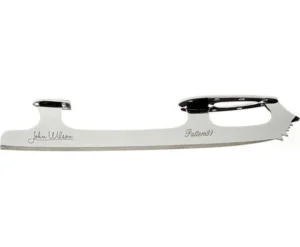
| Size Range | 7″–12″ (available in 1/4″ increments) |
| In‑stock Sizes | 9″–10″ at Everglides |
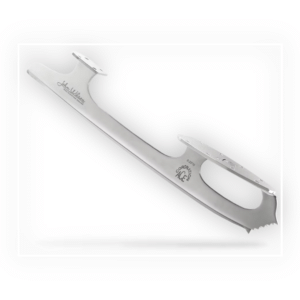
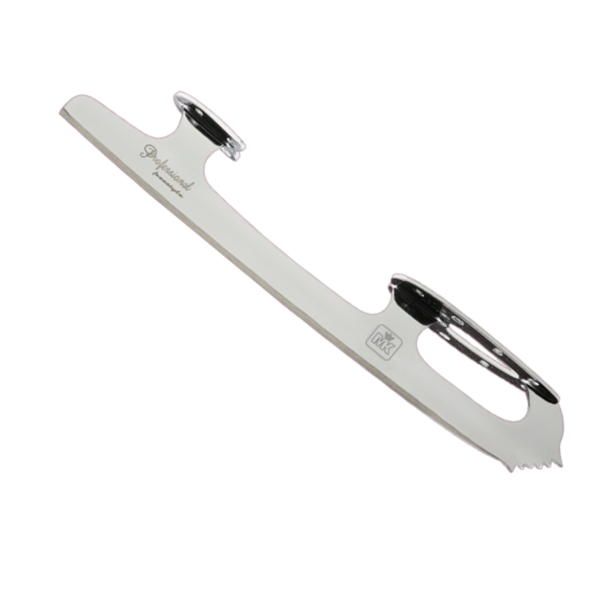
| Toe Pick Type | Cross‑cut (secure grip for toe jumps) |
| Primary Rocker Size | 7 ft |
| Secondary Rocker Size | Subtle rocker — gentler curve for increased blade‑to‑ice contact and stability |
| Blade Construction | 1075 carbon steel; rigid structure for stable, predictable edges that help developing skaters stay balanced |
| Blade Edge Style | 4 mm thick, parallel profile |
What does It Feels Like on the Ice?
- Stable and reassuring The Professional feels planted underfoot, giving developing skaters the confidence to commit to edges, turns, and early jump work.
- Smooth, predictable glide The 7ft rocker creates a gentle rolling feel that supports clean transitions without feeling twitchy or overly sensitive.
- Controlled edge engagement The parallel 4 mm profile offers a steady, even connection to the ice — ideal for learning to hold edges without wobble.
- Friendly toe pick feel The cross‑cut pick gives enough bite for toe jumps but stays forgiving, helping skaters build confidence rather than punishing mistakes.
- Supportive for progression The subtle secondary rocker and rigid carbon‑steel construction make the blade feel reliable as skaters move from singles into early doubles.
- Balanced, not aggressive It doesn’t “pull” the skater into rotation or deep lean — instead, it rewards clean technique and helps build the fundamentals needed for higher‑level blades.
When Are You Ready for This Blade?
| Skill Level / Milestone | What It Means |
|---|---|
| Working on single jumps | Salchow, Toe Loop, Loop, Flip, Lutz |
| Beginning Axel preparation | Starting drills, take‑off mechanics, and rotation work |
| Developing stronger edges and turns | Improving control, depth, and accuracy on edges |
| Learning core spins | Scratch spin, sit spin, camel spin |
| Outgrowing beginner blades | Moving beyond Mark IV, Mark II, Rotation or similar entry‑level blades |